

Hardwood floors bring a classic, natural beauty to a home, but they take a lot of abuse over the years. Muddy boots, dropped kitchen utensils, and pet claws eventually leave their mark. When your floors start looking worn, scratched, or dull, you face a major decision: should you opt for hardwood refinishing, or is it time to completely replace your hardwood floors?
Working with both options every day makes it easy to see that the right choice depends on the current state of your wood, your budget, and what you want your space to look like when the project is done. Both paths can completely transform your home, but the mechanics behind them are very different. Evaluating your current floors helps ensure you make the best choice for your home.
When Hardwood Refinishing is the Right Choice
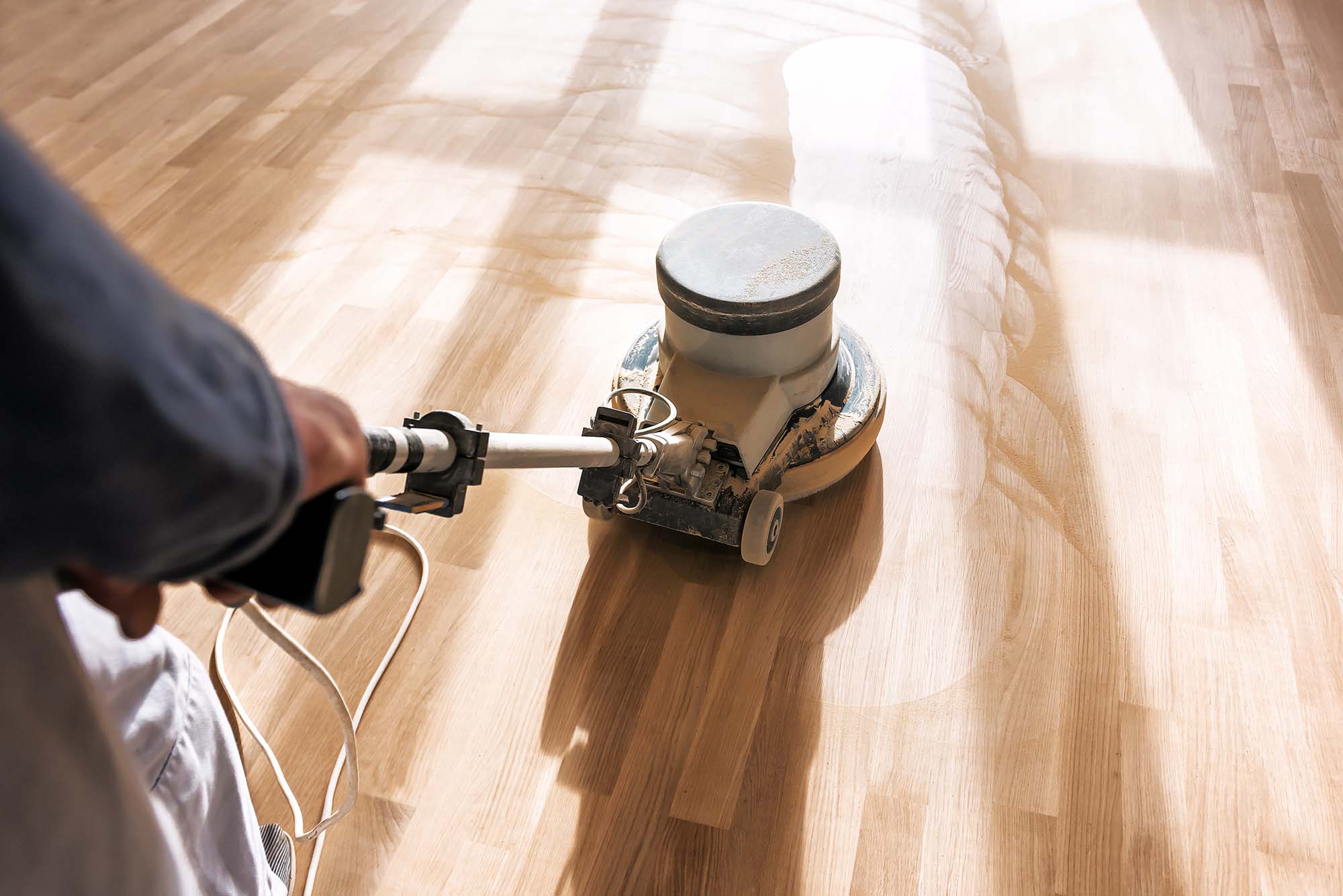
In most cases, if the structural bones of your floor are still in good shape, refinishing is the most practical and cost-effective way to bring them back to life. During the refinishing process, a professional crew sands away the top layer of finish and a tiny fraction of the wood itself. This removes surface scratches, minor dents, and everyday stains. Once the bare wood is exposed, you can apply a fresh stain color and a durable protective topcoat.
Refinishing is usually your best option if your floors meet these criteria:
The damage is only on the surface: Light scratches from dogs, dullness in high-traffic hallways, and minor discoloration from sun exposure are perfect candidates for sanding.
You want a new look but like the layout: If you want to change your floor color from a dark espresso to a light, natural oak—or vice versa—refinishing allows you to do that without tearing up a single board.
The wood is thick enough: Solid hardwood can generally be sanded four to six times over its lifespan. Engineered hardwood can sometimes be refinished once or twice, depending on the thickness of the top real wood layer.
Signs It Is Time to Replace Your Hardwood Floors
While sanding can work wonders, wood has its physical limits. There are times when the structural integrity of the floor is compromised, or the visual damage goes too deep for a sander to fix. In these situations, replacing your hardwood floors is the safer, more long-term investment.
You will likely need to budget for a full replacement if you notice these issues:
Severe water damage: If a plumbing leak or a major spill caused the wood boards to cup (edges curl upward) or buckle (boards lift completely off the subfloor), the wood fibers are usually warped beyond repair.
The wood is too thin: If your floors have already been refinished multiple times in the past, the remaining wood might be too thin to endure another round of heavy sanding. If you can see the grooves or the nails popping through the top of the wood, it cannot be sanded again.
Structural movement and gaps: Extreme structural shifting can leave massive gaps between boards that wood filler cannot permanently fix. If the floor feels bouncy, squeaks excessively, or sags, the underlying subfloor might need attention, which means removing the old hardwood.
You want to change the style entirely: If you currently have thin three-inch oak strips but your vision for the home involves five-inch wide-plank hickory, refinishing cannot change the physical width of your current boards. Tearing out and replacing the floor is the only way to get that new layout.
Comparing the Project Realities
To visualize how these two projects compare in terms of daily life, look at the fundamental differences in timeline, living conditions, and material changes.
Project Timeline
Hardwood refinishing usually takes 3 to 5 days, depending on the type of finish used on the wood. Replacing hardwood varies by square footage, but it includes demolition time plus the time needed for the new installation.
Living Conditions
During a refinishing project, you typically need to stay off the floors entirely while the protective coatings dry. With a replacement project, the room must be completely clear of all furniture, and you will hear loud construction noise throughout the demolition and installation phases.
Material Changes
Refinishing keeps your original wood intact but alters the color and sheen. Replacing the floor allows you to change the wood species entirely, select a new board width, and switch the structural type of wood you use.
Making the Right Call for Your Space
If you are still on the fence, take a close look at your floor near a heating vent or an exterior door. Remove a vent cover to look at the side profile of the wood planks. This trick lets you see exactly how much real wood is left above the tongue-and-groove locking system. If you see plenty of wood, sanding is likely on the table. If the wood looks paper-thin, it is time to start looking at new flooring options.
No matter which path you take, the goal is a beautiful, durable floor that supports your lifestyle and makes you proud of your home.
Let's Find the Perfect Solution for Your Hardwood Floors
Deciding between refinishing and replacement does not have to be a guessing game. An honest look at the condition of your current floors, checking the thickness of the wood, helps determine the most practical path forward to achieve your goals. Whether your wood just needs a fresh coat of protection or you are ready to upgrade to a completely new look, handling the details with care and precision from start to finish ensures a smooth project.
Visit our showroom to see our wide selection of hardwood options and talk face-to-face with our team about your project. Contact us today, and we will help you bring your vision to life.


